If you already understand basic drawing skills, the next step is direction. Knowing what to draw matters more than drawing more. Fantasy art gives you room to experiment, but without structure, it becomes messy. This is where focused concepts help. The right ideas guide your practice and keep your progress steady. This guide breaks down fantasy art ideas for beginners in a way that feels practical and clear, helping you move forward without second-guessing every sketch.
Why Fantasy Art Works Well for Beginners
Fantasy art removes strict rules while still teaching real skills. You can bend anatomy, exaggerate shapes, and still create something believable. That balance is what makes it effective. Fantasy art ideas for beginners allow you to explore creativity while building fundamentals like lighting and composition. You are learning without feeling restricted, which makes it easier to stay consistent and improve naturally over time.
Flexibility in Design Choices
You are not locked into realism. A character can have glowing eyes or oversized armor and still work visually. This freedom reduces pressure and encourages experimentation. It also helps you discover your preferences early, which shapes your artistic direction.
Faster Skill Feedback
Because fantasy art relies on mood and impact, you can see results quickly. Even simple drawings look interesting with the right concept. Fantasy art ideas for beginners often feel rewarding early, which keeps motivation high.
Starting with Simple Character Concepts
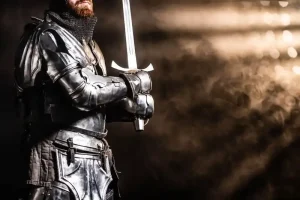
Characters are the easiest way to begin. Start with simple forms and build details slowly. A basic wizard or elf gives you enough structure without overwhelming you. Fantasy art ideas for beginners often start here because characters are engaging and easy to modify. You can test different poses, outfits, and expressions without needing advanced skills.
Basic Shape Construction
Start with circles and rectangles. Build the body using simple forms. This keeps proportions under control and avoids messy sketches. Once the base looks right, add details gradually.
Keeping Proportions Simple
Do not aim for perfect anatomy. Focus on balance. If the character stands naturally, the drawing already works. Refinement comes later with practice.
Adding Personality Through Details
Small changes can define a character. A staff, a cloak, or a simple expression can tell a story. Fantasy art ideas for beginners become more effective when you focus on these small but meaningful details.
Designing Fantasy Creatures
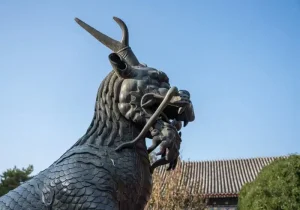
Creatures are where imagination becomes more active. You are not copying real life. You are building something new. Combine features from animals you already understand. This keeps your designs grounded while still being creative. Fantasy art ideas for beginners often include creatures because they allow freedom without requiring strict accuracy.
Mixing Animal Features
Take a bird and add reptile elements. Combine a wolf with horns or wings. This method keeps the structure familiar while creating something unique. It is a simple way to expand your creativity.
Texture Experimentation
Try different textures like scales, fur, or smooth skin. Do not aim for perfection. Focus on variety. This builds your understanding of surface detail over time.
Keeping Designs Readable
Do not overload your creature with too many elements. Keep the silhouette clear. If the shape is easy to recognize, the design already works well.
Exploring Magical Environments
Once characters feel comfortable, move into environments. Start small. A glowing forest or a floating rock is enough. Fantasy art ideas for beginners in environments focus on mood rather than complexity. You are learning how space works and how elements interact visually.
Creating Depth with Layers
Use foreground, middle ground, and background. Even simple shapes can create depth when placed correctly. This makes your artwork feel more complete.
Light as a Focal Point
Add a light source like a glowing tree or crystal. This draws attention and gives your scene direction. It also helps you practice lighting naturally.
Using Color to Build Mood
Color changes everything. A simple sketch can feel dramatic or calm depending on your palette. Fantasy art ideas for beginners often rely on limited colors to create strong impact. This keeps your work clean and easy to manage.
Choosing a Limited Palette
Pick two or three main colors. Build around them. This avoids confusion and keeps your design focused. It also helps you understand color relationships better.
Contrast for Emphasis
Use light against dark to highlight important areas. This guides the viewer’s eye and improves composition without adding complexity.
Adding Light and Glow Effects
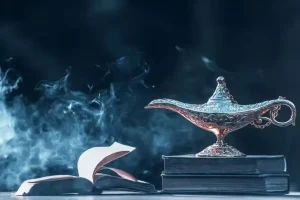
Glow effects are common in fantasy art and easier than they look. Start with a bright core and soften the edges. Fantasy art ideas for beginners use this technique because it instantly adds depth and interest.
Soft Brush Blending
Use soft edges to create smooth transitions. This makes the glow feel natural instead of harsh. It also improves your control over digital tools.
Highlighting Surrounding Areas
Light affects nearby surfaces. Add subtle highlights around the glow. This small step makes your artwork feel more realistic.
Simplifying Complex Ideas
Trying to do too much too early slows progress. Break your idea into parts. Focus on one element at a time. Fantasy art ideas for beginners work best when you keep things simple and clear.
One Focus Per Artwork
Choose a main subject and build around it. Avoid adding too many elements. This keeps your composition strong and easy to understand.
Gradual Detail Addition
Start rough, then refine. Do not jump into details immediately. This approach improves structure and saves time.
Practicing Composition and Balance
Good composition makes even simple art look strong. Think about placement. Avoid putting everything in the center. Fantasy art ideas for beginners improve when you experiment with positioning.
Rule of Thirds Approach
Divide your canvas into sections. Place your subject slightly off center. This creates a more natural look.
Visual Flow
Guide the viewer’s eye using lines or light. This makes your artwork feel intentional and balanced.
Learning from Existing Fantasy Styles
Studying other artists helps you understand patterns. Look at how they use color, shapes, and lighting. Fantasy art ideas for beginners become easier when you break down what works and apply it in your own way.
Observing Style Differences
Some artists focus on realism, others on stylization. Notice these differences and test what suits you best. This builds awareness and flexibility.
Adapting Without Copying
Use inspiration, not imitation. Change elements and make them your own. This keeps your work original while still learning from others.
Avoiding Common Beginner Mistakes
Mistakes are part of learning, but some can slow you down more than others. Fantasy art ideas for beginners should be clear and manageable. Overcomplication is the most common issue.
Overloading Details
Too many elements can confuse the viewer. Keep your design simple and readable. Add complexity only when necessary.
Ignoring Basic Structure
Even fantasy needs structure. If the base is weak, details will not fix it. Focus on shapes and proportions first.
Building a Consistent Practice Routine
Progress comes from repetition. Set small goals and stick to them. Fantasy art ideas for beginners become more effective when practiced regularly. Consistency matters more than intensity.
Daily Sketch Habit
Even short sessions help. Draw something simple every day. This builds muscle memory and confidence.
Tracking Improvement
Keep your old work. Compare it with new sketches. Seeing progress keeps you motivated and focused.
Moving from Sketch to Finished Artwork
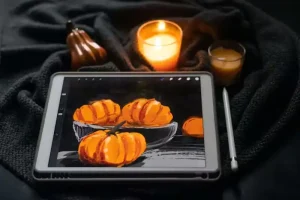
Finishing your work teaches important skills. Clean lines, color, and lighting all come together in this stage. Fantasy art ideas for beginners should not stay as rough sketches forever.
Line Refinement
Go over your sketch with cleaner lines. This improves clarity and makes the artwork easier to read.
Final Touches
Add highlights, shadows, and small details. These steps bring your drawing to life and complete the process.
Developing Your Own Style
Style develops naturally with practice. Focus on what you enjoy drawing. Fantasy art ideas for beginners should feel personal and flexible. Over time, your choices in color and shape will define your style.
Finding Visual Preferences
Notice what you like. Dark themes, bright colors, or minimal designs. These preferences guide your style development.
Consistency in Approach
Repeat similar methods. This builds a recognizable pattern in your work without forcing it.
Staying Motivated and Creative
Motivation changes, but consistency keeps you moving. When stuck, return to simple ideas. Fantasy art ideas for beginners are meant to keep you active, not overwhelmed.
Resetting with Simple Sketches
Draw something easy when you feel stuck. This removes pressure and helps you regain focus.
Experimenting Without Pressure
Try new ideas without worrying about results. This keeps your creativity active and prevents burnout.
Conclusion
Fantasy art becomes easier when you approach it with structure. You already understand the basics, so now it is about direction and consistency. Fantasy art ideas for beginners help you focus on what matters and avoid unnecessary confusion. With simple concepts, steady practice, and clear thinking, your skills will grow naturally, and your artwork will start to feel more confident and complete.
FAQS
1. What are the most effective fantasy art ideas for beginners to practice regularly?
Start with simple characters, basic creatures, and small environments. These ideas help build core skills while keeping the process manageable and engaging for consistent improvement.
2. How can beginners avoid overcomplicating fantasy artwork early on?
Focus on one subject at a time and keep designs simple. Breaking ideas into smaller parts helps maintain clarity and improves overall structure without unnecessary detail.
3. Is it better to focus on characters or environments first in fantasy art?
Characters are usually easier to start with because they require less complexity. Once comfortable, adding environments helps expand composition and storytelling skills.
4. How important is color when learning fantasy art as a beginner?
Color plays a major role in setting mood and focus. Even simple drawings can feel complete with a limited and well-chosen color palette.
5. How long does it take to see progress in fantasy art skills?
With consistent daily practice and focused ideas, beginners often notice improvement within a few weeks, especially in confidence and clarity of their artwork.