You already know science fiction has moved beyond surface-level spectacle, so the real conversation now is about intent and execution. What matters today is how filmmakers use the genre to test ideas, not just present them. Sci-fi movie trends show a clear shift toward controlled narratives where every visual, line, and silence serves a purpose. The genre is being used as a framework to question systems, not just imagine them. That shift is not subtle. It is shaping how scripts are written, how budgets are allocated, and how audiences evaluate quality.
Narrative Density Over Visual Excess
There is a noticeable move away from visual overload toward tighter narrative density. Films like Arrival prove that controlled pacing and layered dialogue outperform constant spectacle. Sci-fi movie trends now reward restraint. Scenes are designed to carry multiple meanings at once, often combining emotional stakes with conceptual weight. Instead of explaining everything, filmmakers trust the audience to interpret. This approach increases rewatch value and strengthens long-term engagement.
Scenes often carry dual meaning through dialogue and framing
Minimal exposition forces active audience interpretation
Emotional arcs are embedded within conceptual storytelling
Character Psychology as the Core Engine
Surface-level character arcs are no longer enough. The focus has shifted to internal conflict and psychological realism. In Blade Runner 2049, identity is not just a theme; it drives every decision and visual cue. Sci-fi movie trends highlight how character psychology now dictates narrative structure. This creates consistency across plot, pacing, and tone. When characters feel authentic, even abstract worlds become believable.
Controlled Use of Technology Themes
Technology is no longer treated as a novelty. It is used with precision. Films like Ex Machina focus on ethical tension rather than technical detail. Sci-fi movie trends show that audiences are more interested in consequences than mechanics. The presence of AI or advanced systems is often minimal in screen time but heavy in implication. This keeps the narrative grounded while still exploring complex ideas.
Realism in Scientific Framing
You already recognize the push toward scientific plausibility, but the deeper shift is in how it is integrated. Interstellar does not just present science; it builds emotional stakes around it. Sci-fi movie trends show that accuracy alone is not enough. It must serve the story. Scientific elements are now used as narrative tools rather than background details, creating a stronger connection between concept and character.
Global Storytelling Influence
The influence of non-Western cinema is no longer peripheral. It is shaping narrative tone and pacing. International projects are introducing slower builds and more symbolic storytelling. Sci-fi movie trends reflect this shift toward cultural blending. Instead of uniform storytelling styles, the genre now embraces variation, which leads to more distinct and memorable films.
Streaming Platforms and Creative Risk
The role of platforms like Netflix and Amazon Prime Video is not just distribution. They are actively shaping content strategy. Sci-fi movie trends show that these platforms prioritize niche audiences and long-term engagement over immediate box office returns. This allows creators to experiment with structure, pacing, and themes without the pressure of mainstream expectations.
Niche storytelling is now financially viable
Longer runtimes allow deeper exploration of themes
Risk-taking is rewarded through targeted audiences
Hybrid Genre Execution
Genre blending is now strategic rather than experimental. Films like Annihilation integrate horror elements to amplify tension and uncertainty. Sci-fi movie trends show that blending genres is used to enhance emotional impact, not just broaden appeal. Each additional genre layer must support the core narrative; it weakens the experience.
Visual Storytelling Over Dialogue
Dialogue is becoming more selective. Visual storytelling is doing more of the work. In the Elden Ring style world building influences cinema, environments often communicate history and conflict without direct explanation. Sci-fi movie trends emphasize environmental storytelling as a primary tool. This reduces reliance on exposition and creates a more immersive experience.
Franchise Strategy vs Original Vision
You already see the dominance of franchises, but the real shift is in how they are managed. Studios are balancing familiarity with innovation. Sci-fi movie trends show that audiences are quick to reject repetitive content, even within established franchises. Original ideas are gaining traction because they offer unpredictability. This has forced studios to rethink long-term planning.
Production Technology and Efficiency
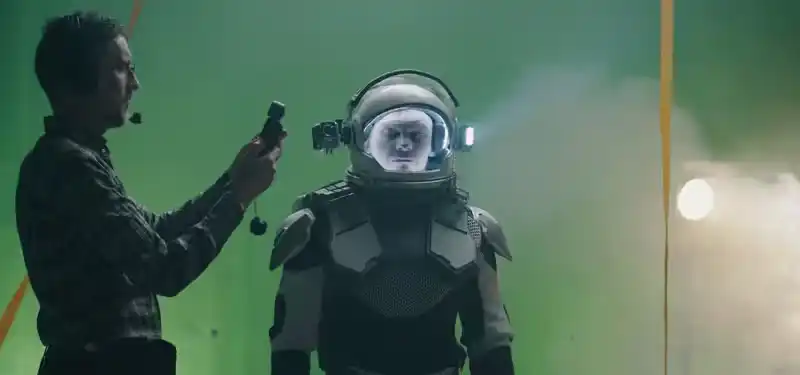
Virtual production is not just a technical upgrade. It is changing how scenes are conceptualized. Directors can visualize environments in real time, which improves decision-making during filming. Sci-fi movie trends highlight how this reduces waste and increases creative control. Smaller teams can now achieve results that were previously limited to large studios.
Audience Intelligence and Expectation Shift
Audiences are not passive anymore. They analyze, compare, and critique in real time. Sci-fi movie trends reflect a demand for consistency and depth. Plot holes and weak logic are quickly exposed. This has raised the standard for writing and production. Filmmakers must now assume that their audience will engage critically with every detail.
Ethical Subtext as Narrative Backbone
Ethical questions are no longer secondary themes. They are central to the narrative. Whether it is surveillance, identity, or environmental collapse, sci-fi movie trends show that these issues drive the story. The genre is being used as a testing ground for real-world dilemmas, making it more relevant and impactful.
Future Direction of Sci-Fi Cinema
Looking ahead, the genre is moving toward more controlled and intentional storytelling. Sci-fi movie trends suggest a focus on immersive experiences that combine narrative depth with technological innovation. The integration of interactive elements may redefine how stories are consumed, but the core will remain the same. Strong storytelling supported by thoughtful design.
Increased use of immersive and interactive formats
Greater emphasis on narrative precision over scale
Continued blending of global storytelling styles
Practical Insights for Industry Professionals
For creators, the takeaway is clear. Focus on intent. Every element of the film must serve a purpose. Sci-fi movie trends show that audiences respond to authenticity and depth. Overcomplication without direction weakens the impact. Strong concepts must be paired with disciplined execution. This balance is what defines successful modern science fiction.
Conclusion
The current phase of science fiction cinema is defined by control and clarity. Excess is being replaced by precision. Sci-fi movie trends reveal a genre that is becoming more thoughtful and more demanding. For those creating within it, the challenge is not just to imagine the future, but to present it in a way that feels real and relevant. That is what will define the next generation of science fiction films.
FAQs
1. Why are sci-fi movie trends focusing more on psychology now?
Because audiences expect deeper engagement, sci-fi movie trends now prioritize internal conflict and identity themes, making stories more relatable and emotionally grounded rather than purely concept-driven.
2. How do streaming platforms affect sci-fi storytelling quality?
They allow more creative risk and niche targeting, so sci-fi movie trends show higher experimentation with structure, pacing, and themes compared to traditional studio-controlled releases.
3. Why is visual storytelling replacing dialogue in sci-fi films?
Visual cues create immersion and reduce exposition. Sci-fi movie trends highlight how environments and framing can communicate complex ideas without relying heavily on dialogue.
4. Are franchises losing importance in sci-fi cinema?
Not exactly, but sci-fi movie trends show audiences demand originality even within franchises, forcing studios to innovate rather than repeat familiar formulas.
5. What defines the future of sci-fi movie trends?
Precision storytelling, ethical depth, and controlled use of technology will define future sci-fi movie trends, with more focus on meaningful narratives than large-scale spectacle.