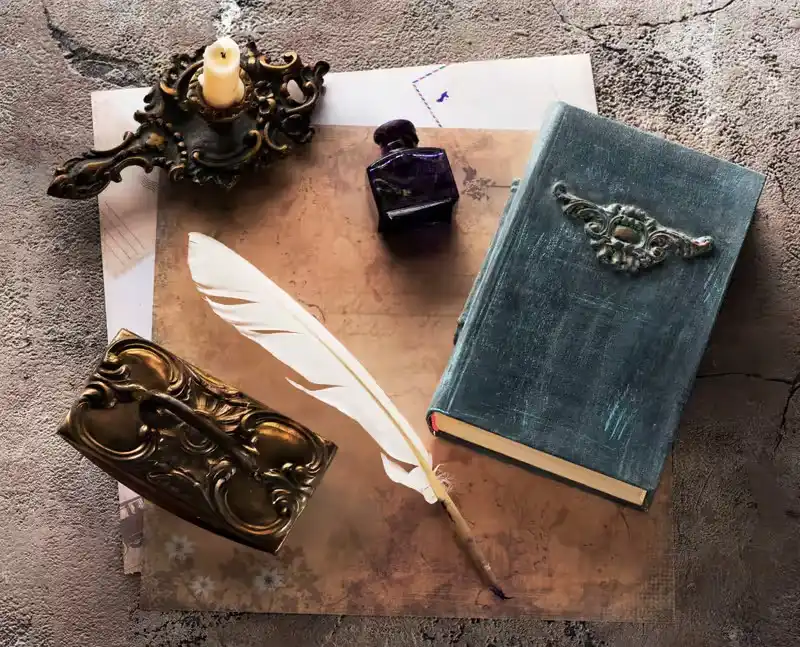
High fantasy remains one of the most influential storytelling genres in modern fiction. From bestselling novels to blockbuster films and streaming series, its themes continue to shape popular culture across generations. Readers return to these stories because they offer more than escapism. They create complete worlds with their own histories, mythologies, political systems, and moral conflicts. At the center of these worlds are recognizable storytelling patterns that audiences instantly connect with. These recurring ideas are known as high fantasy tropes.
Some critics treat tropes as weaknesses, but that misunderstands their purpose. Tropes are storytelling tools. They help readers quickly understand the structure, emotional stakes, and tone of a fantasy narrative. The real difference between forgettable fantasy and memorable fantasy is not whether tropes exist, but how creatively they are used. Understanding high fantasy tropes helps readers appreciate the genre more deeply and helps writers create stronger stories that balance tradition with originality.
What Defines High Fantasy as a Genre
High fantasy is usually set in a fully imagined world separate from ordinary reality. Unlike low fantasy, which places magical elements into familiar settings, high fantasy creates entire civilizations, histories, and systems from the ground up. These worlds often include kingdoms, ancient races, magical forces, and large-scale conflicts that shape the fate of nations.
One defining trait of high fantasy is scale. The stakes are usually enormous. A kingdom may fall, a magical force may corrupt the world, or a chosen figure may determine the future of civilization itself. This epic scope separates high fantasy from smaller, more personal fantasy narratives.
Worldbuilding is also central to the genre. Readers expect depth. They want languages, political systems, religions, trade networks, and historical legends that make the fictional world feel alive. Without convincing worldbuilding, even the strongest plot can feel shallow in high fantasy storytelling.
The Most Recognizable High Fantasy Tropes
The Chosen Hero Narrative
The chosen one is one of the most recognizable high fantasy tropes. A seemingly ordinary character discovers they are connected to a greater destiny. Sometimes this destiny is revealed through prophecy, lineage, or hidden powers.
Readers connect with this trope because it reflects personal transformation. The hero often begins uncertain, isolated, or powerless before gradually growing into responsibility. The emotional appeal comes from watching someone overcome fear and develop purpose.
However, modern audiences expect more complexity than earlier fantasy stories provided. A predictable chosen hero without flaws often feels outdated. Writers now challenge this trope by questioning destiny itself or showing the emotional burden that comes with being “chosen.”
Dark Lords and Ultimate Evil
Another classic trope is the dark lord figure. This villain usually represents overwhelming corruption, destruction, or authoritarian power. Their presence creates clear stakes and gives the story a central threat.
Dark lords often symbolize larger fears such as greed, tyranny, or loss of humanity. Their armies, magical influence, or political control shape the atmosphere of the fantasy world itself.
Modern fantasy has complicated this trope by giving villains understandable motivations. Instead of pure evil, many contemporary antagonists believe they are solving problems through extreme methods. This shift reflects changing reader expectations around morality and realism.
Ancient Prophecies and Forgotten Legends
Prophecy is deeply connected to high fantasy storytelling patterns. Ancient predictions create mystery and long-term tension. They also tie present events to the deeper history of the world.
Forgotten legends serve a similar purpose. Hidden histories, lost kingdoms, and buried truths make fantasy worlds feel layered and ancient. These elements give the sense that the story is only one chapter in a much larger timeline.
The challenge for writers is avoiding overreliance on vague prophecy. Readers now expect prophecy to create meaningful conflict rather than simply guaranteeing outcomes.
Magical Artifacts and Legendary Weapons
Legendary swords, enchanted rings, magical relics, and sacred objects are common high fantasy tropes because they symbolize power and responsibility. These artifacts often connect directly to the hero’s journey.
The best magical items are not powerful just because the plot requires it. They carry emotional or symbolic meaning. A weapon may represent family legacy, sacrifice, or temptation. This deeper connection makes fantasy artifacts memorable instead of generic.
Fantasy Worldbuilding Patterns That Define the Genre
Medieval-Inspired Kingdoms and Political Systems
Most high fantasy settings draw heavily from medieval Europe. Castles, monarchies, knights, and feudal structures dominate the genre. These systems create clear political hierarchies that naturally generate conflict.
However, relying too heavily on familiar medieval imagery can make worlds feel repetitive. Modern fantasy increasingly mixes influences from different historical periods and cultures to create more distinctive settings.
Mythical Races and Species
Elves, dwarves, dragons, and magical creatures are deeply associated with high fantasy tropes. These races often represent different philosophies, strengths, or cultural values.
The challenge today is avoiding one-dimensional portrayals. Readers expect fantasy races to feel like real societies with internal diversity and believable motivations rather than simple stereotypes.
Ancient Civilizations and Lost Empires
Ruins, forgotten temples, and fallen empires appear constantly in high fantasy because they create mystery and historical depth. They remind readers that civilizations rise and collapse over time.
These ancient remnants also create opportunities for discovery. Characters uncover hidden truths, dangerous powers, or historical mistakes that influence present conflicts.
Magic Systems and Their Role in High Fantasy Tropes
Magic is one of the defining features of high fantasy, but not all magic systems work the same way. Some stories use soft magic systems where rules remain mysterious and undefined. Others use hard magic systems with strict limitations and detailed mechanics.
Both approaches have strengths. Soft systems create wonder and unpredictability, while hard systems support strategic storytelling and logical conflict resolution. Problems arise when writers use magic inconsistently. If magic solves every challenge without limitation, tension disappears.
Strong fantasy stories treat magic as part of society rather than just a combat tool. Magic influences politics, religion, economics, education, and warfare. The more integrated magic feels within the world, the more believable the fantasy becomes.
Character Archetypes Common in High Fantasy
Wise Mentors and Magical Guides
Mentor figures are central to many fantasy stories. They guide inexperienced heroes and provide knowledge about the world’s deeper mysteries. These characters often represent wisdom, sacrifice, or moral clarity.
The mentor trope works because it mirrors real-life growth. Young protagonists need guidance before they can face larger responsibilities.
Loyal Companions and Fellowship Dynamics
High fantasy rarely focuses on isolated heroes. Most stories include groups of companions with different skills and personalities. This creates emotional balance and allows multiple perspectives within the narrative.
Fellowship dynamics also strengthen pacing. Conversations, disagreements, and friendships make long fantasy journeys feel emotionally grounded.
Antiheroes and Morally Complex Characters
Modern fantasy has moved beyond purely heroic protagonists. Many stories now feature morally gray characters who struggle with selfishness, trauma, or ethical compromise.
This shift reflects modern audience preferences for psychological realism. Readers often connect more deeply with flawed characters than idealized heroes.
Conflict Structures in High Fantasy Stories
Conflict in high fantasy usually operates on multiple levels at once. There may be kingdom-wide wars, personal emotional struggles, political betrayal, and supernatural threats all happening simultaneously.
Large-scale battles create epic scope, but emotional conflict gives the story meaning. Readers care less about who wins a war if they are not emotionally invested in the people fighting it.
Political intrigue has also become increasingly important in modern fantasy. Stories that combine warfare with diplomacy, betrayal, and shifting alliances often feel more realistic and engaging.
Why Readers Continue to Love High Fantasy Tropes
Readers return to high fantasy because the genre offers emotional immersion and imaginative freedom. These stories allow people to explore courage, sacrifice, loyalty, corruption, and identity within larger-than-life settings.
Familiar tropes also create comfort. Readers enjoy recognizing patterns while still discovering fresh interpretations. This balance between familiarity and surprise is one of the genre’s greatest strengths.
Fantasy also provides symbolic distance from real-world problems. By placing moral and political struggles into fictional worlds, stories can explore complex issues in emotionally powerful ways.
Modern Reinventions of Classic High Fantasy Tropes
Subverting the Chosen One Formula
Modern writers increasingly challenge the chosen one narrative by questioning destiny itself. Some protagonists reject prophecy, while others discover that multiple people share responsibility for saving the world.
This creates more uncertainty and avoids predictable storytelling.
Redefining Villains and Morality
Modern fantasy villains are often psychologically complex rather than purely evil. Their motivations may stem from trauma, ideology, or fear rather than simple cruelty.
This complexity creates stronger emotional tension because readers can partially understand the antagonist’s perspective.
Diverse Cultures and Expanded Representation
High fantasy is no longer limited to Western medieval inspiration. Contemporary fantasy increasingly draws from African, Asian, Middle Eastern, and Indigenous mythologies and histories.
This expansion has enriched the genre by introducing fresh worldbuilding structures and storytelling traditions.
Common Mistakes Writers Make With High Fantasy Tropes
One major mistake is relying on clichés without adding originality. Familiar elements only work when supported by strong execution and emotional depth.
Another problem is excessive worldbuilding. Some writers spend so much time explaining lore that pacing suffers. Readers want immersive worlds, but they also need momentum and character development.
Generic protagonists are another weakness. Epic settings cannot compensate for emotionally flat characters. Readers stay invested because of emotional connection, not just world complexity.
How to Use High Fantasy Tropes Effectively in Modern Writing
The strongest fantasy stories combine familiar structures with fresh perspective. Writers do not need to avoid tropes entirely. Instead, they should ask how to reinterpret them in meaningful ways.
Emotional stakes should remain central. No matter how large the world becomes, readers connect most strongly to fear, hope, loyalty, and sacrifice.
Writers should also build societies that feel functional and believable. Political systems, economies, and cultural traditions should influence the story naturally instead of existing only as background decoration.
Finally, balance matters. Lore should support the narrative rather than overwhelm it. Great fantasy worlds feel deep without constantly explaining themselves.
Conclusion
High fantasy tropes continue to shape some of the most successful stories in modern fiction because they connect deeply to universal human themes. Heroes, prophecies, magical worlds, and epic conflicts remain powerful because they reflect emotional truths through imaginative storytelling.
The genre evolves constantly, but its foundation remains rooted in transformation, morality, and wonder. The best fantasy stories respect traditional storytelling patterns while finding new ways to challenge and expand them. That balance between familiarity and innovation is what keeps high fantasy relevant across generations.